
Artificial intelligence has moved from buzzword to boardroom priority, and the pressure on retail leaders is intensifying. According to a recent survey, more than half of chief executives worry that their businesses will fall behind because of limitations in their underlying technology foundations. In other words, the fear is no longer about whether to invest in AI, but about whether they are investing fast and wisely enough.
The spending numbers reflect that urgency. A majority of retailers already allocate more than fifty million dollars annually to technology, and a meaningful share spend between one hundred and two hundred fifty million dollars a year. Much of that investment is now flowing toward AI and cybersecurity, as retailers race to modernize everything from supply chains and inventory management to personalization, customer service, and store operations.
One of the most talked-about frontiers is so-called agentic commerce, where AI systems increasingly assist or even act on behalf of shoppers. Consumer adoption of these tools is climbing rapidly, and experts caution that AI performs only as well as the data behind it. That is why many retailers are prioritizing clean, well-structured data foundations and forming technology partnerships to close the gap quickly, rather than trying to build everything in-house.
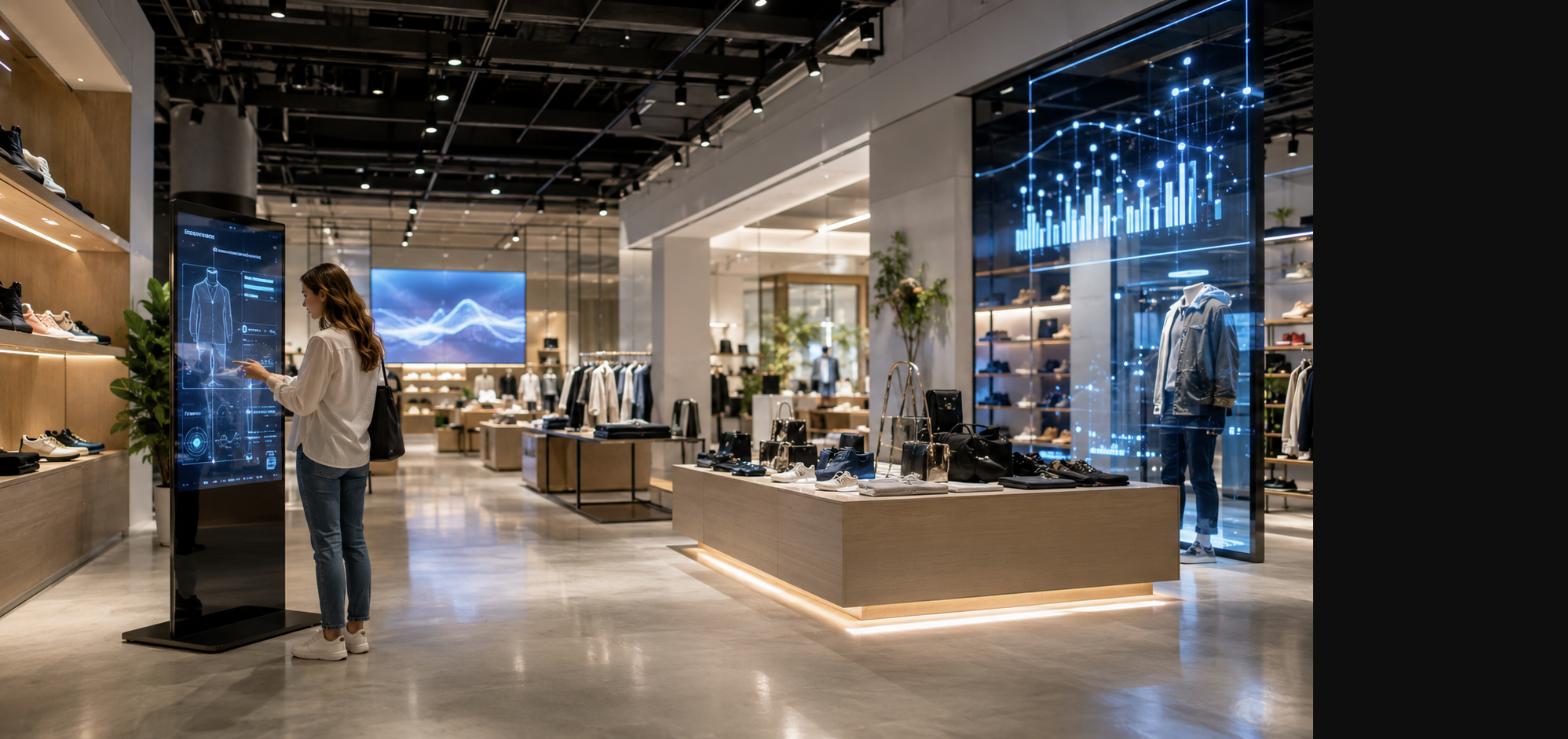
So what does the AI race mean for physical retail and the real estate that supports it? Rather than replacing stores, AI is increasingly making them smarter. Technologies that optimize inventory, personalize offers, streamline checkout, and improve customer service all strengthen the role of the physical location within an omnichannel strategy. The retailers investing thoughtfully in these capabilities are likely to be the healthiest, most expansion-minded tenants in the years ahead. For landlords and investors, that is a useful lens: the strongest occupiers of tomorrow will be those treating technology as a core part of how they grow, both online and in well-located brick-and-mortar space.